
You may have heard of May Day, but what about Lei Day? May Day has many meanings, from celebrating the arrival of springtime to honoring workers’ movements. But in Hawaii, we celebrate Lei Day on May 1st! Lei Day honors something unique: the lei.
Lei Day is a statewide celebration of culture, connection, and the spirit of aloha. Across the islands, people come together to make, gift, and wear lei to honor loved ones, welcome visitors, and celebrate Hawaii’s rich history, all with a lot of color, music, and island pride.
Today, we will learn more about Lei Day, how to celebrate, and even explore where you can make your own lei!
Want to learn more about our special deals, news, and updates? Subscribe to our email newsletter so you can be the first to know all of our exciting news!
In this blog:
- May Day is Lei Day in Hawaii!
- When Did Lei Day Begin?
- What is a Lei?
- Where did Leis originate?
- How to Celebrate Lei Day as a Visitor
- Lei Etiquette: How to Accept (and Wear) a Lei Respectfully
- Book Your Stay in Hawaii Directly with Maui Condo and Home!
May Day is Lei Day in Hawaii!
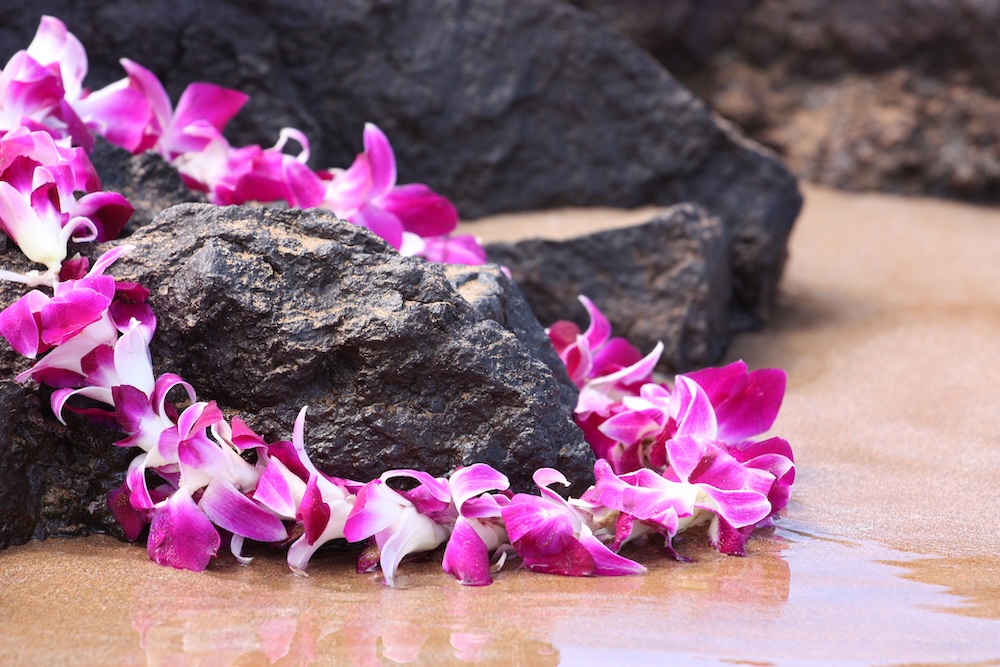
You’ll often hear locals say, “May Day is Lei Day in Hawaii.” But what is Lei Day?
Lei Day is celebrated every year on May 1 in Hawaii to honor the tradition of making, wearing, and sharing lei. The day highlights the cultural importance of lei as symbols of aloha, representing love, welcome, respect, and connection. Across the islands, Lei Day is marked with cultural events, music, hula performances, and lei‑making activities, and both locals and visitors are encouraged to take part respectfully.
When Did Lei Day Begin?
Lei Day began in 1928, when poet Don Blanding suggested the idea of a holiday dedicated entirely to the lei. His idea quickly caught on, and fellow writer Grace Tower Warren proposed tying it to May 1, coining the now‑famous phrase, “May Day is Lei Day in Hawaii.” The celebration gained official recognition the following year, and what started as a simple idea grew into a statewide tradition that continues to honor Hawaiian culture, kindness, and community today.
What is a Lei?
A lei is a traditional Hawaiian garland, most often made from flowers or leaves, but sometimes from shells, seeds, or other natural materials. In Hawaii, leis are deeply meaningful. They’re commonly shared for special occasions like graduations, weddings, and cultural ceremonies, as well as to greet visitors.
Where did Leis Originate?
Long before lei became a symbol of celebration in Hawaii, ancient Polynesian voyagers were already crafting them from whatever nature provided. Common materials included fresh leaves, flowers, and plant fibers gathered along their journeys. Stories passed down through generations say these garlands weren’t just decorative; they were believed to carry good luck and protect travelers as they crossed vast stretches of ocean. Watching over the tradition was Kukuʻena, sister to the volcano goddess Pele, and the legendary goddess of lei-making.
How to Celebrate Lei Day as a Visitor
You don’t have to be a local (or an expert lei-maker) to join in on the celebration. Lei Day is welcoming by design, and, as long as you’re respectful, you’re more than welcome to join in!
Pick up a lei and wear it out for the day.
Buy one from a local maker, a flower stand, or a hotel shop, and wear it to dinner, while exploring town, or during a special outing. Avoid plastic leis!
Learn to make a simple lei or flower crown.
Many cultural centers, hotels, and events offer lei-making demos or workshops around May 1. Even a basic haku-style flower crown counts!
Attend a cultural event if one’s happening nearby.
Live music, hula performances, and community celebrations often pop up around Lei Day, especially on Oʻahu. One of the biggest free events takes place at Kapi‘olani Park in Honolulu, with an annual Lei court designation, including a Lei Queen, and a prestigious lei-making competition with a cash prize.
Check Out Our Oahu Rentals to be a Part of the Action at Kapi‘olani Park:
Gift a lei to someone you’re traveling with.
Whether it’s a partner, friend, or family member, sharing a lei is a sweet way to mark the day together.
Take a “Lei Day walk.”
Wander through a botanical garden, local market, or park and notice the flowers and greenery that often inspire traditional lei designs.
Take photos thoughtfully.
Lei displays are beautiful, but avoid touching them unless invited, and always be mindful of cultural spaces and people participating in ceremonies.
Lei Etiquette: How to Accept (and Wear) a Lei Respectfully
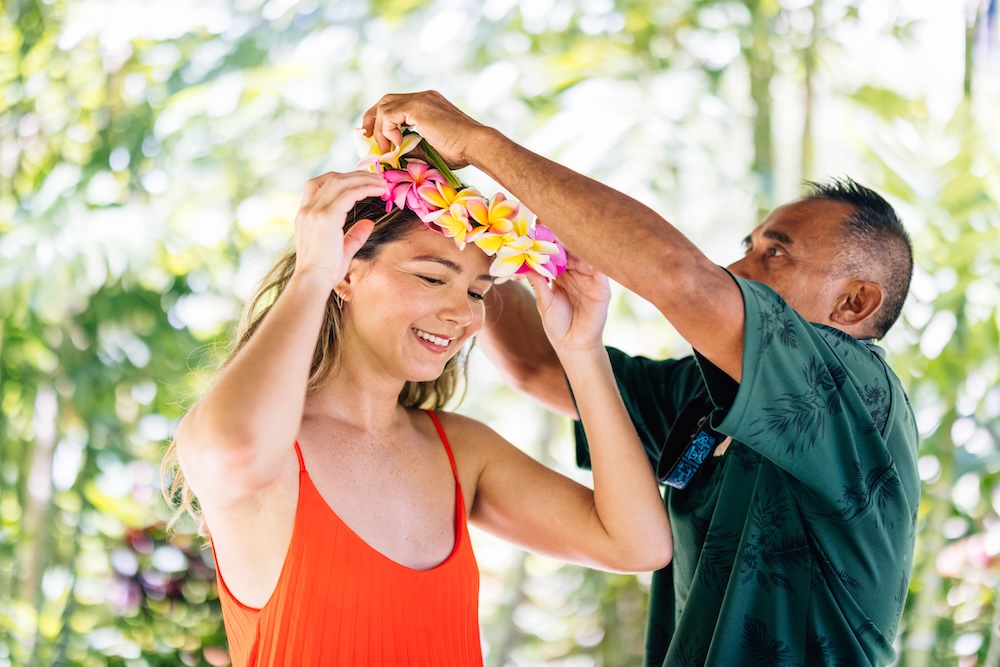
Receiving a lei is meant to feel warm and welcoming, and following a few simple etiquette tips helps keep that spirit intact.
DO accept a lei graciously.
A lei isn’t just a pretty accessory; it’s a genuine gesture of welcome, love, or respect. A smile and a thank-you go a long way!
DO wear it proudly
If someone places a lei on you, it’s polite to keep it on while you’re with them. If you need to take it off later, try to do so discreetly, and not in front of them!
DO return it to nature.
When you’re finished with a fresh flower lei, avoid tossing it in the trash. Many people choose to leave it somewhere natural, like a garden or beneath a tree, as a sign of respect. Remember, if you’re returning a flower/leaf lei back to the local environment, be sure to cut off non-natural materials like string, yarn, and wires.
DON’T refuse a lei if one is offered.
Turning one down can come across as dismissive, even if that’s not your intention. Accepting it honors the giver and the tradition.
DON’T treat it like a prop.
Avoid tossing, stepping on, or playing with a lei. Even casual handling can feel disrespectful in a cultural setting.
Helpful note: In some traditions, it’s considered more appropriate to give open-ended leis (rather than a closed circle) to pregnant women.
Book Your Stay in Hawaii Directly with Maui Condo and Home!

Featured Maui Rental: Sugar Beach 605
Whether you’re visiting Hawaii for Lei Day or planning a getaway another time of year, Maui Condo and Home makes it easy to find the perfect place to stay. No matter what island you’re staying on, we know you’ll find the perfect fit for you. Plus, check out our Explore Hawaii page to further determine which island is best for your vacation, and begin planning your vacation from there!
Book directly with us to enjoy a wide selection of vacation rentals across the islands, local expertise you can trust, and the best value for your trip, no third‑party fees required. Browse our available vacation rentals now and get ready for your best trip yet!