
When you're planning your Maui vacation, there’s a good chance you’re picturing bright sunshine, warm breezes, and endless beach days. And honestly…Maui delivers! But like any tropical island, Maui also has a rainy season, and understanding what that means can help you plan the best trip possible.
Whether you're staying in one of our Maui condo rentals in Kihei or exploring other Hawaiian islands, the rainy season is simply part of the natural rhythm of island life. And here’s the good news: even during the rainier months, Maui is still an incredible place to visit.
In this guide, we’ll walk you through what the rainy season in Hawaii looks like, the rainy months in Maui, what to expect, and plenty of rainy-day activities so you can make the most of every moment.
Before we dive in, make sure you’re subscribed so you never miss Maui travel tips, island updates, and new rental specials.
Keep Me Updated on All Things Maui Condo!
- When Is Rainy Season in Hawaii?
- How Long Is Rainy Season?
- What Maui Rainy Season Is Really Like
- Is It Okay to Visit Maui in Rainy Season?
- Rainy Day Activities in Maui
- What to Do in Maui on a Rainy Day
- Insider Tips
- Book Your Maui Vacation Directly with Maui Condo!
- Frequently Asked Questions: Your Guide to Maui Rainy Season
When Is Rainy Season in Hawaii?
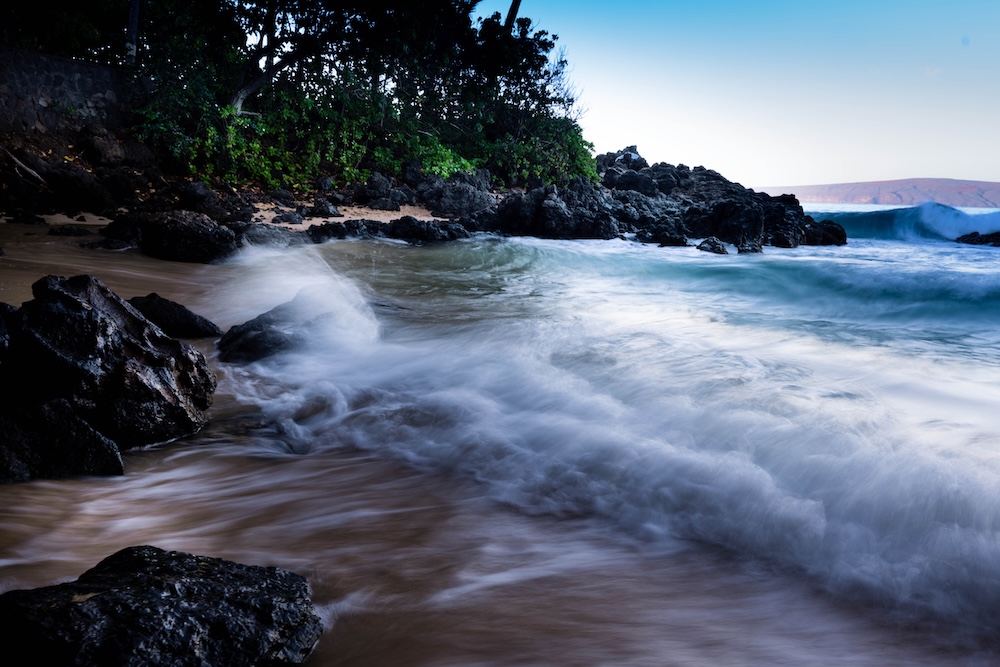
First things first. When is rainy season in Hawaii?
Hawaii’s rainy season typically runs from November through March, with the rainiest months in Hawaii often being December and January. These months bring more frequent showers, slightly cooler temperatures, and greener, lusher landscapes.
If you're wondering specifically about Maui rainy season, the island follows the same pattern. The rainy months in Maui are November to March, with afternoon showers being pretty common, especially in the West Maui Mountains, Hana, and the north shore.
But does that mean your vacation will be rained out? Not even close!
How Long Is Rainy Season?
Hawaii rainy season lasts for about five months, but that doesn’t mean it rains nonstop. Think of it more like short showers, scattered clouds, and the occasional heavier rainfall—usually in the mountains, not at the beaches.
One of the best things about Maui is how diverse its microclimates are. You can leave a rainy spot and drive 10–15 minutes to pure sunshine.
For example:
- It may rain in Kaanapali, but be sunny in Kihei.
- Hana may see consistent moisture, while South Maui stays mostly dry.
- Upcountry may be cloudier, but the beaches are bright and warm.
So even during the rainy months in Hawaii, you’ll have plenty of warm, sunny hours for beach time and adventures.
What Maui Rainy Season Is Really Like
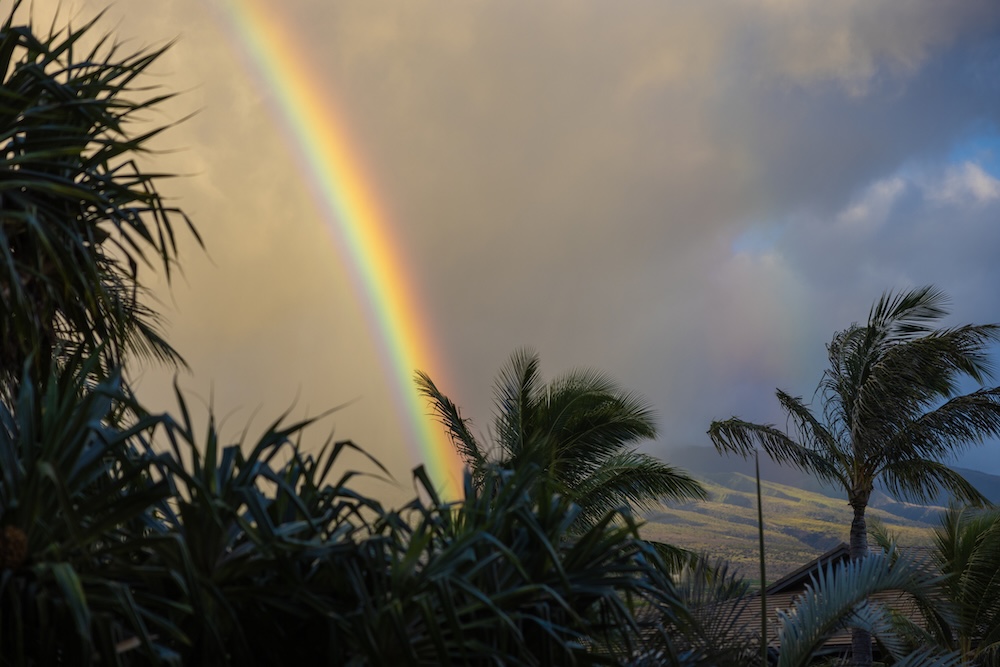
Maui rainy season isn’t gloomy, it’s tropical! What does that mean exactly? Well, you can expect:
- Quick rain showers that pass in minutes
- Rainbows (lots of them!)
- Bright, green foliage
- Cooler evenings
- Occasional heavier storms in certain areas
And because it’s still Hawaii, you’ll enjoy warm temperatures and plenty of outdoor activities. In fact, many guests love visiting during rainy season because the island feels especially vibrant and peaceful.
Is It Okay to Still Visit in Rainy Season?
Absolutely—it’s more than okay to visit during rainy season in Hawaii. You’ll still have a fantastic time. In fact, some travelers even prefer it!
Here’s why:
- Fewer crowds
- Better airfare and rental rates
- Cooler temperatures
- Amazing surf on the north shore
- Bright, lush island landscapes
And with Maui’s microclimates, you can always find sunshine somewhere.
Plus, rainy days often lead to memorable adventures you wouldn’t experience otherwise, like chasing waterfalls along the Road to Hana or spending a cozy afternoon discovering Maui’s indoor attractions.
Rainy Day Activities in Maui
Looking for rainy day activities in Maui? We’ve got you covered. Whether it’s a passing shower or a fully wet afternoon, there’s plenty to do.
Here are some guest favorites:
- Maui Ocean Center – Explore Hawaiian sea life indoors.
- Whale Watching (Dec–Apr) – Rain doesn’t stop whales; tours often still run!
- Iao Valley – Mist and rain only make the views more dramatic.
- Maui Brewing Co. – Take a tour or try a tasting flight.
- Shopping – Whaler’s Village, Shops at Wailea, and local boutiques are perfect for browsing.
Insider Tips
- Pack a light rain jacket: Showers come and go quickly.
- Plan flexible days: Swap beach days and adventure days as needed.
- Rent a car: Microclimates make it easy to drive toward sunshine.
- Check weather by region: Kihei and Wailea are usually drier.
- Don’t cancel beach plans too fast: Rain often clears in minutes.
Book Your Maui Vacation Directly with Maui Condo!

Even if it's raining, you can enjoy the views from your covered lanai in 2-Bed, 2-Bath Kihei rental Maui Kamaole H207.
From sunny beach days to cozy rainy-day adventures, Maui rainy season brings its own kind of magic. No matter when you visit though, you're sure to have a blast while you're here!
When you book your trip directly with Maui Condo and Home, you gain access to better rates, local support, exclusive specials, and best of all, access to our local team who knows Maui inside and out. Ready to have the best vacation here? Browse our collection of beautiful Maui vacation rentals and get ready to enjoy the island in every season.
Anticipation of sunshine and ocean air often accompanies plans to visit Maui, where bright beaches symbolize rest and renewal. Yet the rainy season that moves across the island from November through March reminds travelers that wellbeing, like weather, unfolds in cycles rather than constants. Short tropical showers over places such as Kihei or the slopes above Iao Valley invite a slower rhythm and a readiness to adapt plans without frustration. This flexibility mirrors the broader discipline of caring for health, where resilience depends less on control and more on attentive response to changing conditions. Microclimates that shift from rain to sun within minutes suggest that perspective can transform inconvenience into quiet opportunity for reflection.
In the wider digital environment practical travel guidance often appears beside unexpected fragments such as reliable pharmacies to buy Amoxicillin online today safely, illustrating how conversations about leisure and medicine coexist in a single informational stream. Such juxtapositions reveal the complexity of modern awareness in which personal responsibility extends from packing a rain jacket to navigating medical knowledge with discernment. The rainy months on an island therefore become a metaphor for the layered nature of health, shaped by environment, choice, and the capacity to remain steady amid passing storms.
Frequently Asked Questions: Your Guide to Maui Rainy Season
Does it rain all day during rainy season?
No. Most showers are brief and often happen overnight or in the early morning.
What are the rainiest months in Hawaii?
The rainiest months in Hawaii are December and January, though November–March overall is the rainy season.
Where is the rainiest part of Maui?
Hana, the north shore, and the West Maui Mountains see the most rainfall.
Is it still warm during rainy season?
Yes! Even in rainy months, daytime temperatures usually stay in the 70s and 80s.
What should I pack for Maui rainy season?
A light rain jacket, sandals that can get wet, and a flexible itinerary.
Are activities canceled if it rains?
Most continue as planned. In cases of severe weather, certain tours may adjust or reschedule.